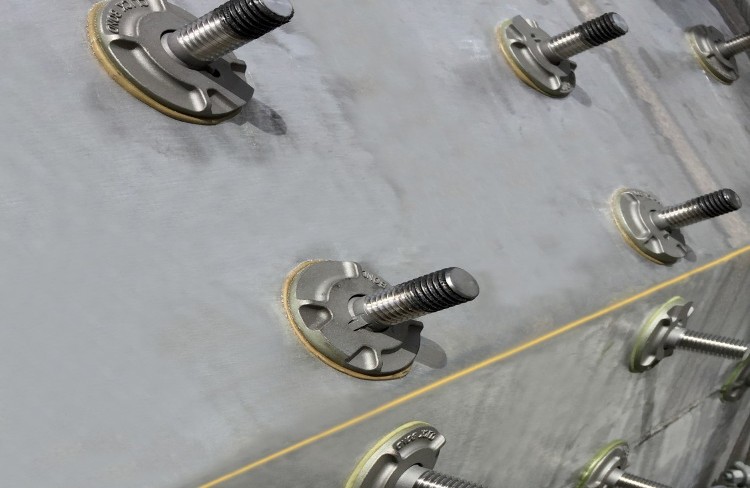
Fastener:
Fasteners are Hardware Devices (Screws, Bolts, Nuts, Rivets and Washers) designed to
Mechanically join Materials offering either Removable (Non-Permanent) or Permanent
Connections. Essential for Manufacturing and Construction they are classified by Material,
Thread Type (Coarse/Fine), Strength (Grades) and Head Style ensuring Structural Integrity
and Precise Load-Handling.
Key Fastener Types and Uses:
Bolts: Threaded Fasteners that require a Nut to Secure Components often used in Heavy
Machinery and Construction.
Screws: Versatile Self-Tapping Fasteners with Helical Threads often used for Wood or Sheet
Metal without needing a Nut.
Nuts: Complement Bolts to provide secure removable Fastening.
Washers: Thin disks that distribute the Load, Reducing Damage and Preventing Loosening.
Rivets: Permanent Non-Threaded Fasteners used in High-Strength, Low-Weight applications
like Aircraft.
Anchors: Used to secure items specifically to Concrete or Masonry.
Pins: Cylindrical items (e.g., Cotter, Dowel) for Aligning or Locking Components.
Key Technical Details:
Threads: Coarse (UNC) Threads offer quicker assembly while fine (UNF) Threads allow better
Tension Control and Security.
Grades/Strength: Indicates Material Hardness and Tensile Strength (e.g., Metric 8.8, 10.9)
essential for preventing for example Breakage in High-Stress Applications.
Head Styles: Includes Hex (for High Torque), Pan, Flat (Countersunk) and Socket Cap (for
Tight Spaces).
Materials: Commonly Steel, Stainless Steel, Nickel & Nickel Alloys, Aluminium, brass & many
more Grades selected based on Corrosion Resistance and Strength Requirements.
Fastener Selection Factors:
Loading: Consider Tension, Shear or Fatigue requirements.
Environment: Stainless Steel is used for Corrosion Resistance while Alloy Steel is better for
High-Strength requirements.
Accessibility: Choose a Head Style that matches the Tools available for installation.